April 30, 2026
Understanding the importance of careful planning in commercial remodeling projects is crucial for ensuring success and maximizing benefits. This article will guide you through the essential steps and considerations involved in planning your next commercial remodeling project. Proper planning not only sets the stage for a successful transformation but also ensures that the remodeling aligns with your business objectives and operational needs.
Assessing Your Current Space
A SWOT analysis (Strengths, Weaknesses, Opportunities, Threats) is a strategic planning tool that can be vital in assessing your current commercial space. By identifying the strengths, you can capitalize on the aspects of your space that are already working well. Recognizing weaknesses allows you to pinpoint areas that require improvement or optimization. Opportunities highlight potential for new features or expansions, whereas threats might include external factors such as market trends that could affect your planned use of the space.
Understanding how well your current space meets the functional needs of your business is key to a successful remodeling project. Consider the day-to-day operations and workflows within the space. Ask yourself whether the layout facilitates movement and interaction effectively or if it impedes productivity. In sectors like healthcare, education, or retail, which, according to IbisWorld, constitute approximately 55% of total commercial construction spending, efficient space utilization is particularly important. Analyzing how the existing environment impacts these operational aspects will guide you in making decisions that enhance functionality through remodeling.
The aesthetics of your commercial space not only contribute to the atmosphere but also reflect your brand identity. Assessing these elements involves examining how the space looks and feels and determining whether those aspects align with the image you wish to convey. In a highly competitive landscape, having an appealing and distinctive ambiance can attract clients and retain employees. Whether it's through modern design elements or timeless architectural features, aesthetics play a crucial role in the perception of your business.
Setting Clear Goals and Objectives
Establishing clear and achievable goals for your remodeling project is the next critical step. These goals should reflect the desired outcomes of the project and be clearly communicated to all stakeholders. For instance, one goal might be to increase retail floor space by 20% to accommodate more products, thereby enhancing sales potential. Another goal could be improving energy efficiency to reduce operational costs and promote sustainability.
Once goals have been established, it's important to prioritize these objectives based on their importance and feasibility within the project timeline. Prioritization ensures that essential changes are given the attention and resources they require for successful implementation. Projects often have budgetary and time constraints, making it crucial to focus on the most critical elements first. High-priority objectives might include essential functional updates, while aesthetic improvements could be secondary.
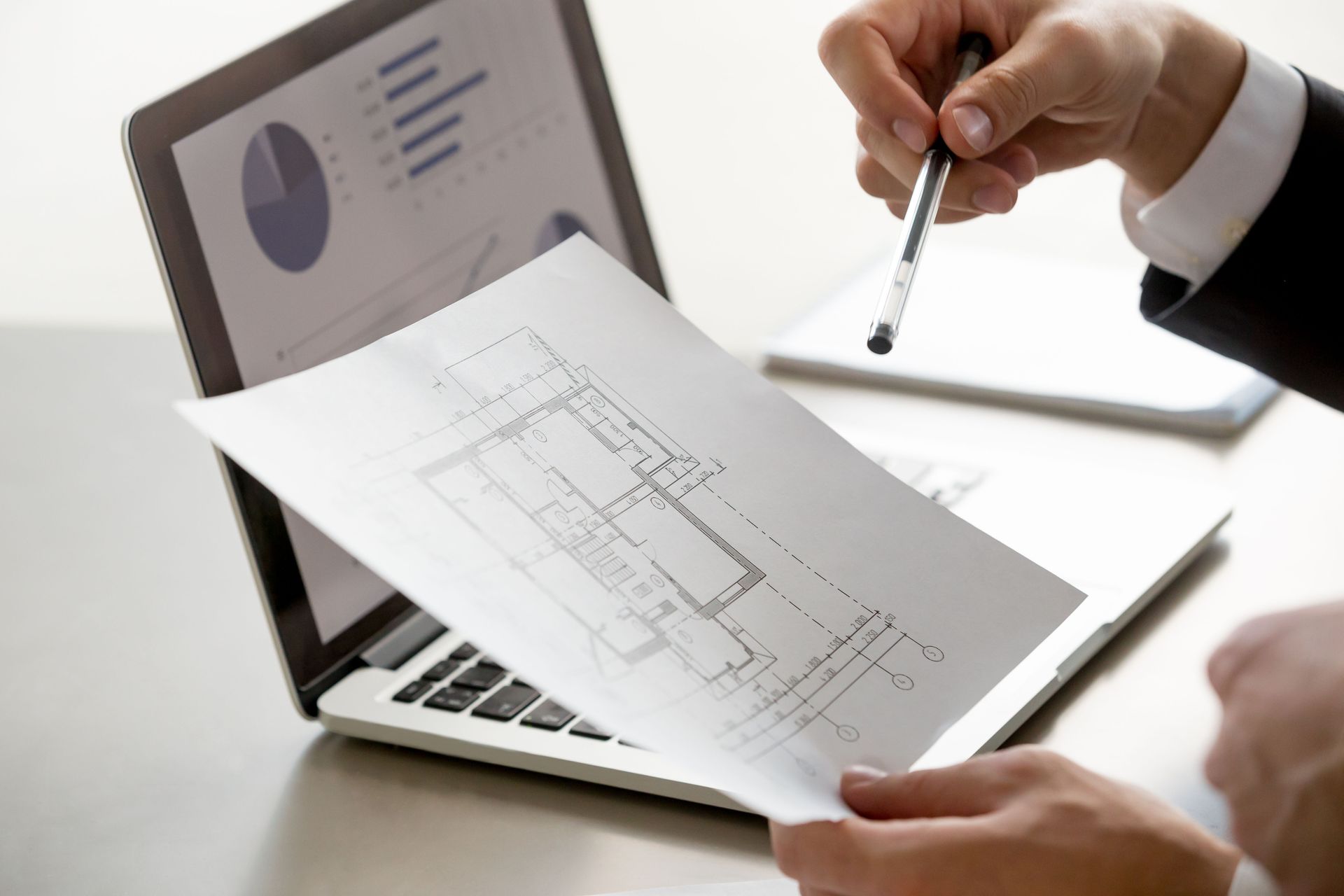
Creating a comprehensive budget is crucial for the successful execution of a commercial remodeling project. The budget should account for all expenses, including materials, labor, consulting fees, permits, and unexpected costs. Consider allocating funds for potential overruns and unforeseen challenges, which are common in construction projects. Consulting with a financial advisor can provide clarity and assurance in the budgeting process, ensuring all aspects are considered.
Choosing the Right Team
Selecting the right contractor is crucial to the success of your commercial remodeling project. Experience in your specific industry, whether it's healthcare, education, or retail, is vital as these fields have unique demands. A skilled contractor will have a proven track record of managing similar projects, ensuring they understand industry-specific regulations and standards. Reviews, past work samples, and client testimonials are valuable resources in assessing a contractor's suitability. Partnering with someone who understands your vision and can execute it effectively is key to achieving your remodeling goals.
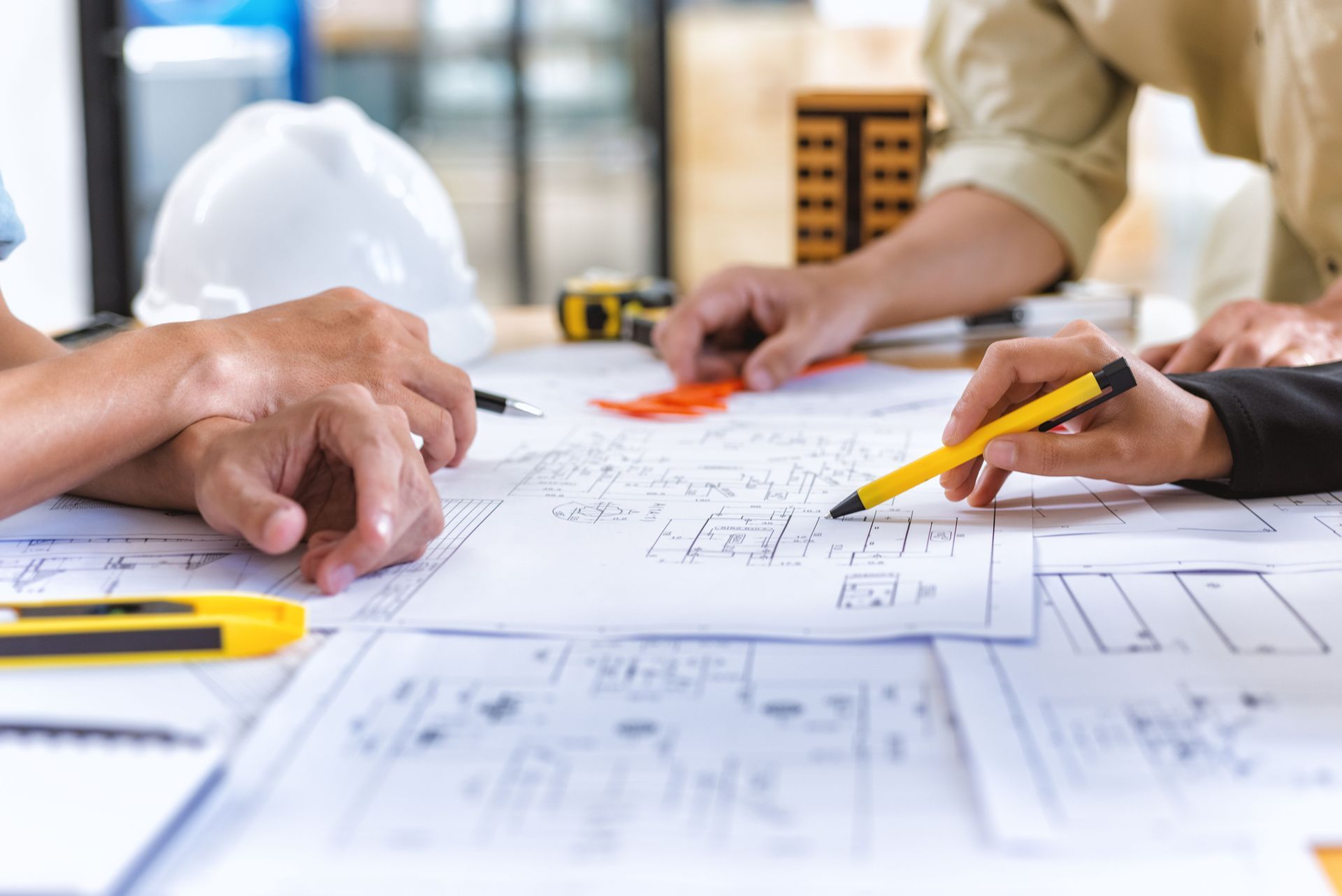
Engaging a professional architect or designer is essential in bringing your vision to life during a remodeling project. These professionals are adept at translating your goals into practical and innovative design concepts. They will work closely with you to incorporate functional needs, aesthetic preferences, and regulatory requirements into the design. By leveraging their expertise, the design process becomes more efficient and aligned with your brand identity. An architect or designer not only adds value through creativity but also ensures that the conceptual design matches your business's operational and aesthetic goals.
Having a dedicated project manager is vital for overseeing the day-to-day operations of the remodeling project. A project manager acts as a liaison between all involved parties, from contractors to designers to stakeholders, ensuring effective communication and coordination. Their role is to maintain the schedule, manage budgets, and handle challenges as they arise. A skilled project manager brings experience in navigating complex project dynamics, facilitating smoother progress.
Designing Your Space
The conceptual design stage is where your ideas begin to take shape, guided by your established goals and objectives. Collaborating closely with architects and designers during this phase ensures that the design aligns with operational needs, aesthetic preferences, and brand identity. A comprehensive design concept includes layout options, color schemes, material choices, and innovative features to enhance space utilization. Initial drawings and models allow for critical evaluation and refinement before proceeding to detailed plans.
Efficient space utilization is key to achieving a functional and productive commercial environment. The design should incorporate layouts and configurations that facilitate easy movement and interaction, meeting the operational demands of your industry. By thinking creatively about space, you can improve employee productivity, customer experience, and overall business performance. For instance, flexible workspaces, efficient storage solutions, and multi-functional areas can maximize usable space.
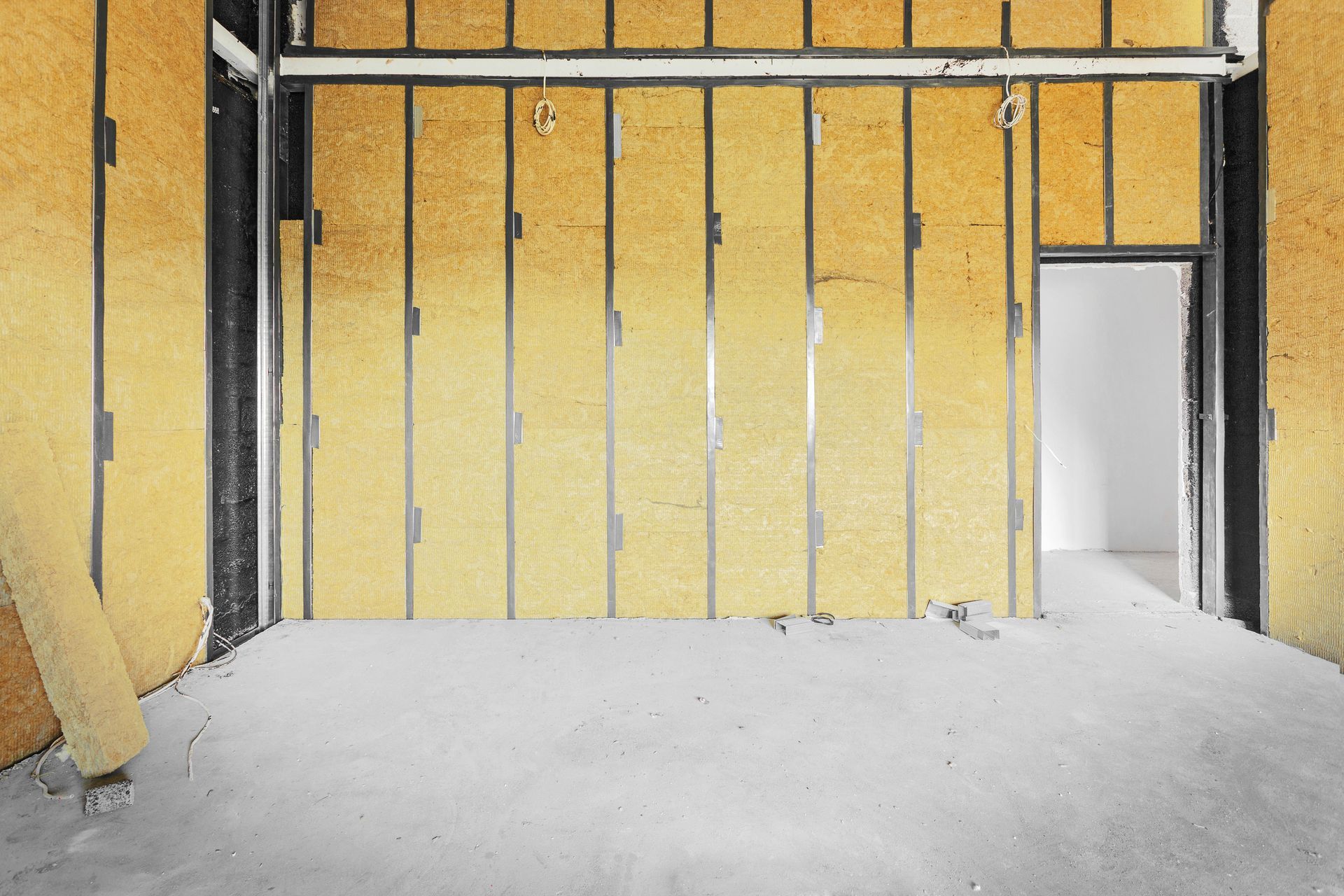
Sustainability is an important consideration in today's commercial remodeling projects, reflecting a commitment to environmental responsibility and operational cost reduction. Incorporating eco-friendly materials and energy-efficient systems are effective strategies for reducing a building's environmental footprint. Features such as LED lighting, green roofs, and energy-efficient HVAC systems are not only environmentally friendly but also cost-effective over time. A sustainable approach aligns with consumer expectations and regulatory demands, enhancing your brand's reputation.
Managing Construction
Before construction can begin, securing all necessary permits and approvals is a legal requirement integral for moving forward. Engaging with local government authorities early in the process can expedite the permit acquisition, as well as clarify any ambiguities regarding compliance. Different regions or sectors might have varied requirements, with significant overlaps in safety, zoning laws, and environmental considerations. Understanding and adhering to these processes help avoid unnecessary project disruptions due to regulatory non-compliance.
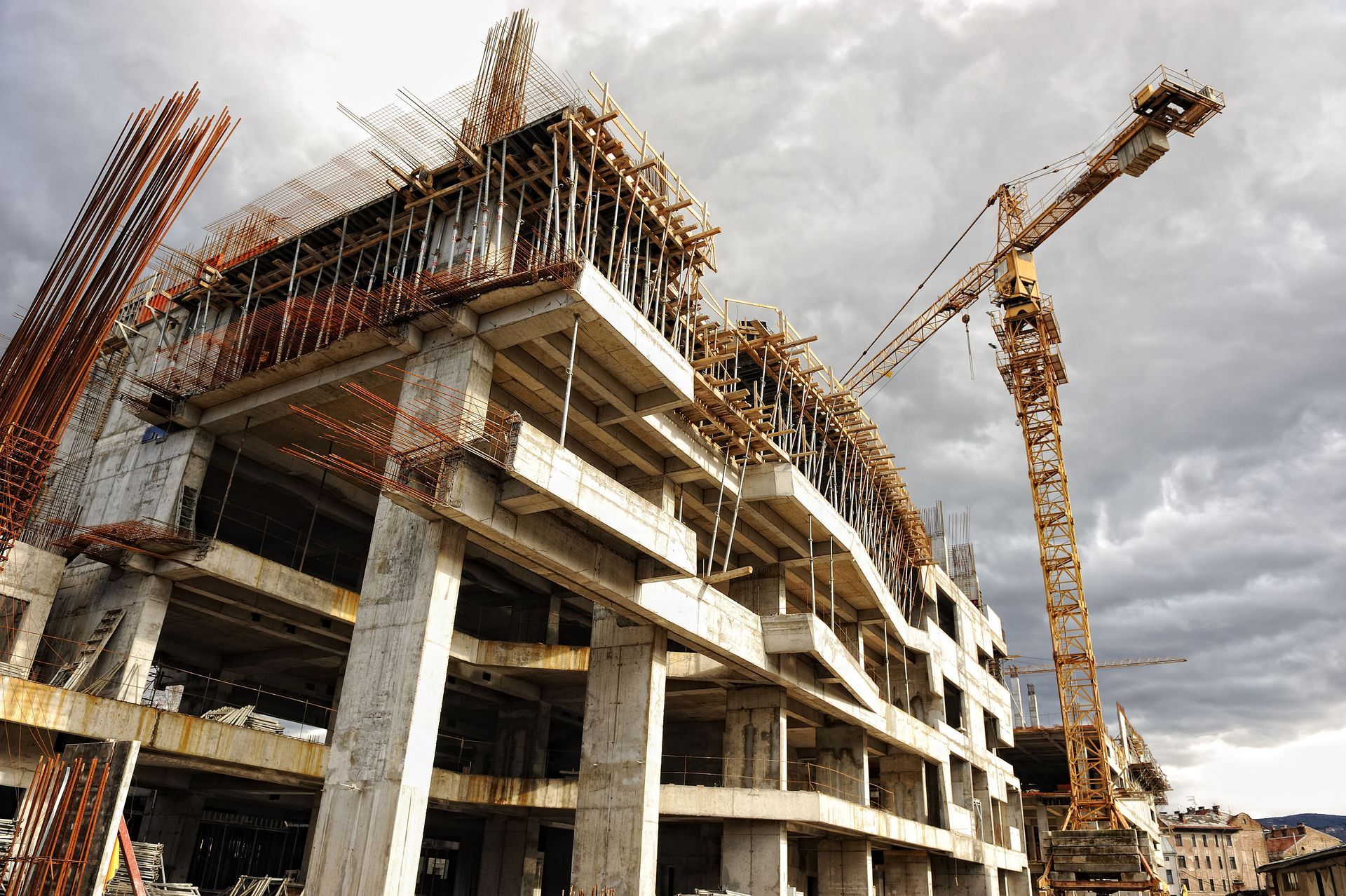
Regular monitoring of construction progress is key to ensuring adherence to original plans and maintaining the project timeline. Effective oversight involves close coordination with contractors, project managers, and on-site teams to track progress and address issues early. On-site visits, progress meetings, and continuous updates help maintain momentum and ensure that the project remains on schedule. Any deviations from the plan should be addressed promptly to minimize delays and cost overruns.
Transparent communication between the project team and stakeholders is critical to the effective management of a remodeling project. Regular updates on project progress, challenges, and changes keep everyone informed and aligned with the project goals. Open communication channels enable quick resolution of conflicts and proactive management of issues as they arise. Creating a structured communication plan with designated points of contact ensures clarity and accountability.
Successfully planning a
commercial remodeling project involves careful assessment, clear goal setting, assembling the right team, and managing design and construction efficiently. By following these steps, businesses can enhance their space to better serve operational needs and align with long-term objectives, ensuring a successful remodeling outcome. Try to set yourself up with a company who puts your interests and success first. Haglage Construction Inc is here to help with your commercial construction projects and remodels.