May 27, 2026
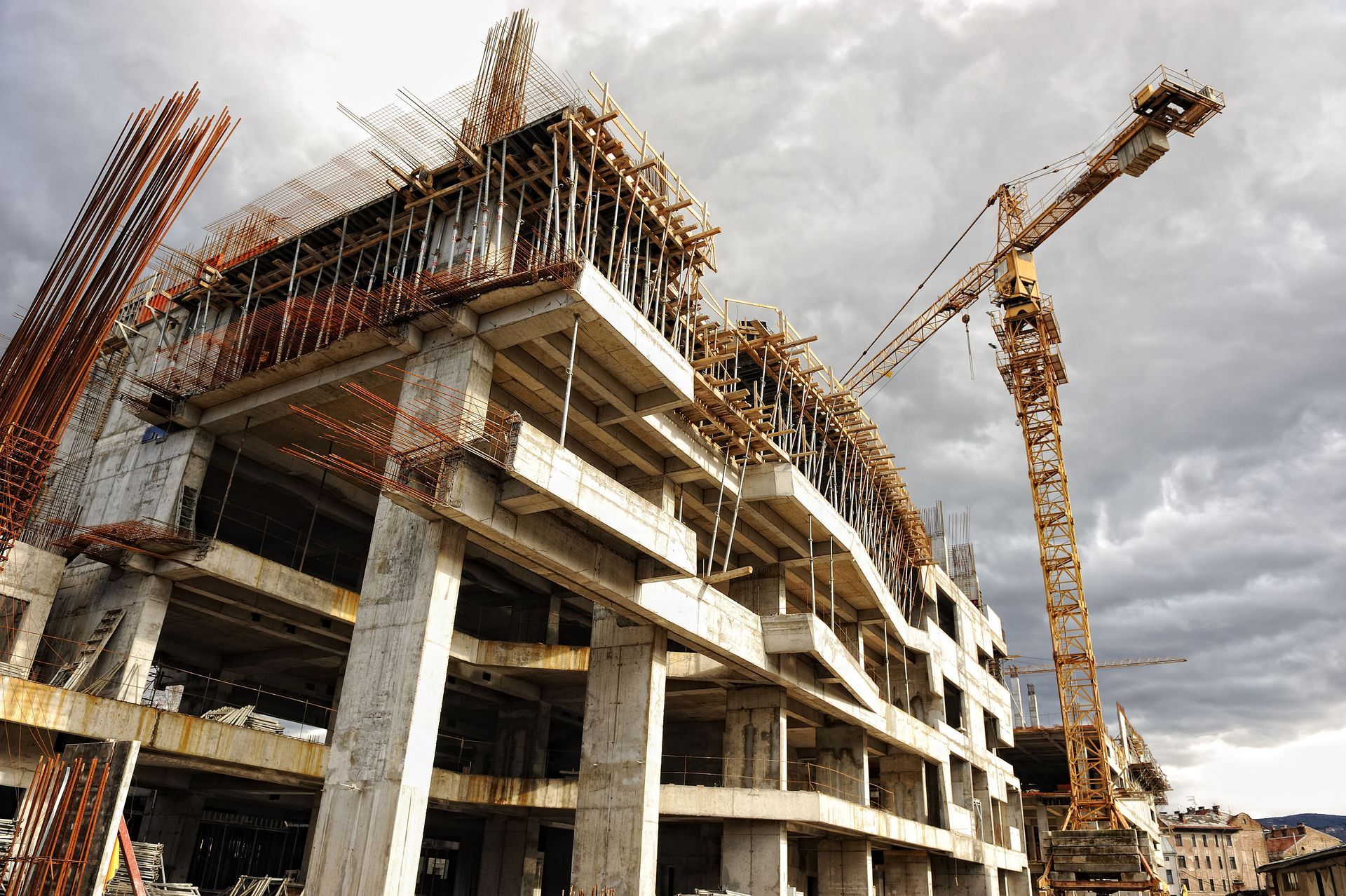
Embarking on a new building venture is an exciting milestone for any business owner, representing growth, opportunity, and future success. However, the path from initial blueprints to the final ribbon-cutting ceremony is rarely a straight line. Large-scale building projects involve intricate logistics, tight schedules, and massive coordination among various moving parts. When working with commercial construction companies, understanding the potential roadblocks that can arise during development is the first step toward keeping your timeline on track. By identifying these common hurdles early, project owners can better collaborate with their building partners to anticipate issues and implement proactive solutions that protect both their schedule and their bottom line.
1. Navigating Supply Chain Disruptions and Material Shortages
One of the most frequent hurdles facing modern building projects is the availability of essential building materials. The global supply chain can be unpredictable, and shortages of steel, concrete, lumber, or specialized electrical components can bring a job site to a grinding halt. When commercial construction companies cannot secure the necessary supplies on time, the entire sequential schedule gets pushed back, creating a domino effect across all subsequent phases of development. To mitigate this risk, forward-thinking builders focus on early procurement and strategic sourcing. Ordering materials well in advance of their scheduled installation date helps cushion the project timeline against shipping delays or sudden market shortages.
2. Adapting to Unpredictable Weather and Environmental Elements
Mother Nature remains one of the most volatile variables in any building endeavor. Adverse weather conditions, ranging from torrential downpours and severe winter storms to extreme summer heatwaves, can make outdoor work environments unsafe and physically impossible. Heavy rain can turn a job site into mud, delaying crucial foundational work, excavation, and concrete pouring, which must occur under specific environmental conditions to ensure structural integrity. Experienced commercial construction companies account for seasonal weather patterns during the initial planning phase by building realistic contingency days into the master schedule. When severe weather does strike, efficient teams shift their focus to indoor tasks, prefabrication work, or administrative logistics to maximize productivity.
3. Managing Unexpected Site Conditions and Underground Hurdles
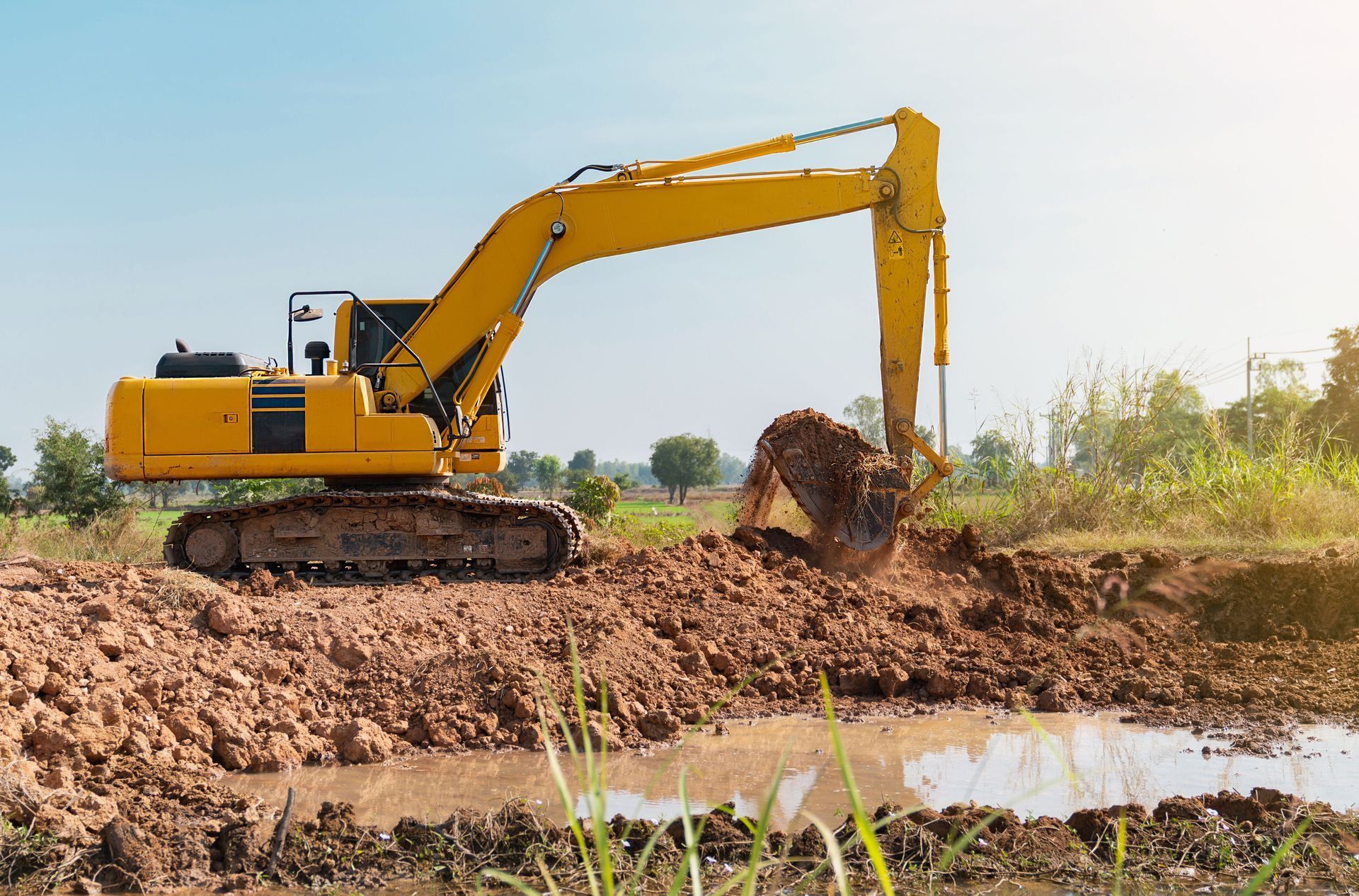
Before a building can rise, the ground beneath it must be properly prepared. However, what lies beneath the surface is often a mystery until excavation begins. Teams frequently uncover unexpected subterranean obstacles, such as unmapped utility lines, large boulders, high water tables, or contaminated soil that requires immediate remediation. Discovering these hidden hazards requires immediate pauses to assess the situation and implement safe solutions. Addressing these hidden surprises responsibly requires thorough site assessments, including ground-penetrating radar and soil testing, prior to breaking ground. When an obstacle is unearthed, professional commercial construction companies work swiftly to re-engineer solutions, secure necessary environmental clearances, and safely reroute utilities. Taking the time to handle these underground issues correctly prevents severe structural complications and safety hazards later in the life of the building.
4. Resolving Permitting Delays and Regulatory Approval Backlogs
The administrative side of building can be just as complex as the physical assembly. Before any heavy machinery rolls onto a site, a mountain of paperwork must be approved by local municipalities and regulatory bodies. Delays in securing building permits, zoning variances, environmental approvals, or historic preservation clearances can stall a project before it even begins, keeping crews waiting on the sidelines. Navigating local bureaucratic processes requires a deep familiarity with regional building codes and zoning laws. Proactive commercial construction companies initiate the permitting process as early as possible, maintaining open communication with local officials to ensure all documentation is flawless and compliant. Anticipating potential regulatory hurdles and addressing them during the design phase helps avoid lengthy revision cycles and keeps the administrative timeline moving smoothly.
5. Overcoming Skilled Labor Shortages and Workforce Deficits
The building industry relies heavily on the expertise of skilled tradespeople, including electricians, plumbers, masons, and structural welders. A shortage of qualified labor can severely bottleneck a project, as specialized tasks cannot proceed without certified professionals. When multiple large-scale developments occur simultaneously in a region, competition for these skilled crews intensifies, sometimes leading to temporary workforce gaps on specific job sites. To combat labor challenges, premier commercial construction companies maintain strong, long-term relationships with a network of reliable subcontractors and trade unions. Providing safe working conditions, fair compensation, and organized job sites makes a builder a preferred partner for top-tier talent. This consistent access to skilled labor ensures that the right hands are always available at the right time, keeping the craftsmanship high and the project moving forward.
6. Controlling Design Modifications and Scope Creep
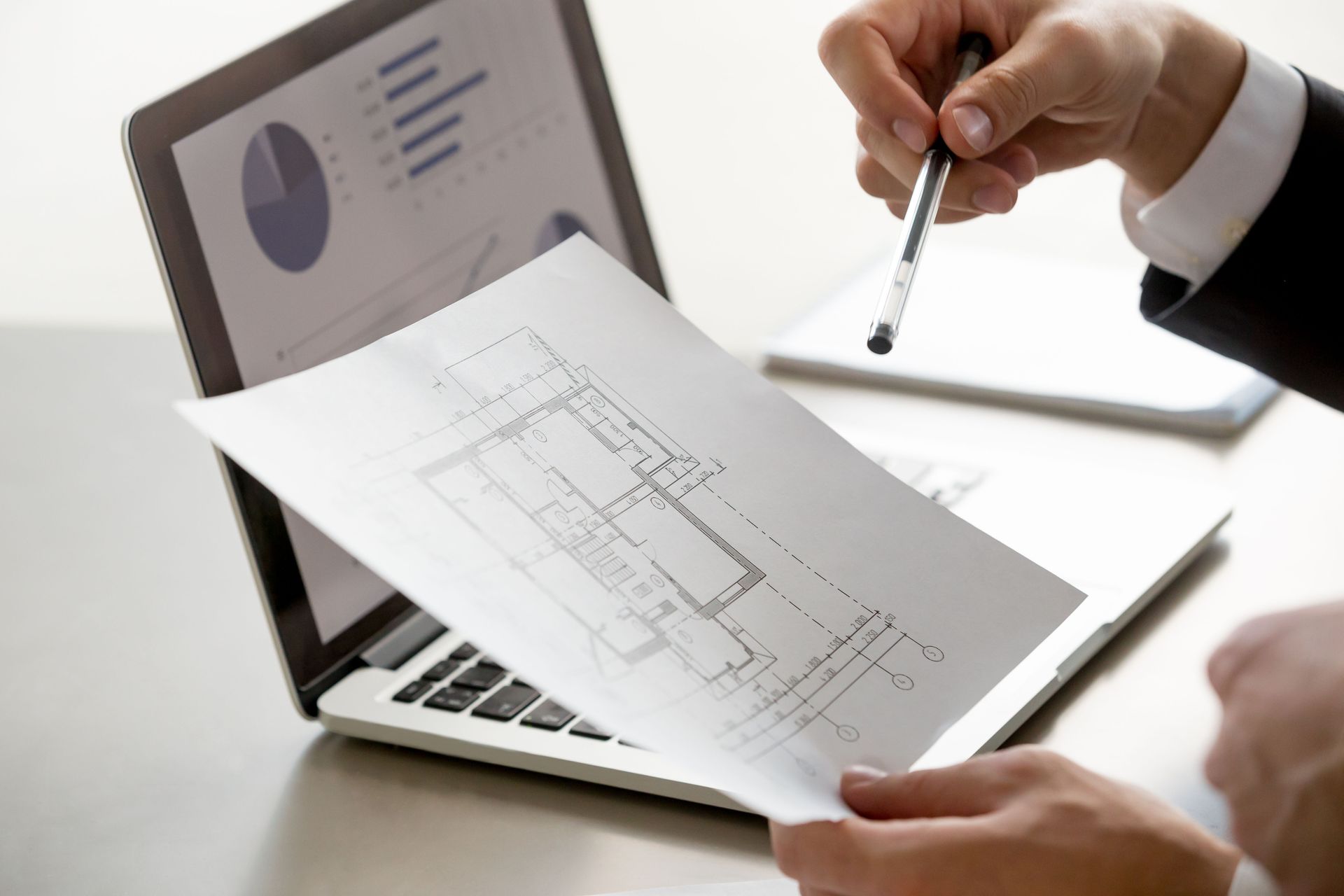
It is not uncommon for project owners to request changes to the original design after building has already commenced. Whether driven by a shift in business goals, a desire for alternative finishes, or an unforeseen operational need, mid-project alterations can significantly impact the timeline. Known as scope creep, these ongoing modifications require design updates, new material orders, and the rework of completed structures, all of which eat away at the calendar. While flexibility is important, managing scope creep requires a highly structured change-order process. Clear communication between the owner and the builder ensures that the timeline and budget impacts of every design modification are fully evaluated before implementation. Finalizing detailed architectural blueprints and material selections during the pre-construction phase minimizes the need for course corrections later, keeping the build focused and efficient.
7. Coordinating Specialized Requirements for Diverse Commercial Sectors
Different types of commercial buildings come with unique architectural demand and regulatory standards. For example, medical facilities require specialized ventilation systems, retail spaces demand specific foot-traffic layouts, and corporate workspaces emphasize data infrastructure. According to IbisWorld, office buildings account for about 22% of commercial construction projects. Each sector presents its own set of technical challenges that can cause delays if not expertly managed. Successfully navigating these diverse requirements demands a builder with broad sector experience and deep technical knowledge.
Commercial construction companies must coordinate closely with specialized engineers and inspectors who understand the nuances of each building type. Ensuring that sector-specific regulations are integrated into the design from day one prevents failed inspections and costly mid-build corrections, streamlining the path to occupancy.
8. Optimizing Communication Gaps and Stakeholder Misalignment
A commercial build involves an extensive web of stakeholders, including investors, architects, engineers, site managers, and subcontractors. When communication breaks down between these parties, misunderstandings regarding design specifications, material choices, or scheduling deadlines easily occur. Misalignment can lead to errors on the job site, requiring time-consuming tear-outs and re-work that could have been completely avoided with better transparency. Overcoming communication hurdles requires centralized project management systems and regular alignment meetings. Utilizing modern digital platforms allows all parties to access real-time blueprints, schedules, and change orders instantaneously. When everyone operates from a single, accurate source of truth, decisions are made faster, errors are minimized, and the entire team moves in unison toward the completion date.
While challenges are an inherent part of the building process, they do not have to dictate the success of your project. Partnering with a builder that possesses deep regional expertise, robust problem-solving capabilities, and a proven track record makes all the difference in navigating these hurdles smoothly. As a family-owned business with over 50 years of combined experience serving the Tri-State area, Haglage Construction Inc understands how to anticipate obstacles and keep your vision moving forward. We invite you to contact us today to discuss your upcoming project goals, explore our comprehensive building solutions, and learn more about how we can deliver your next commercial space on time and to your exact specifications.