July 30, 2026
Embarking on a large-scale building initiative requires vision, coordination, and the right strategic partners. When businesses decide to expand their physical footprint, renovate existing facilities, or create custom structures from the ground up, they enter a complex environment filled with technical requirements, regulatory hurdles, and operational demands. Navigating this process successfully demands a structured approach that addresses every phase of development, from initial concept design through final walkthrough and occupancy. Experienced commercial construction companies understand that every build presents unique challenges, whether related to site constraints, scheduling logistics, or material procurement. By establishing clear priorities early in the planning process, organizations can minimize risks and ensure that their finished facility aligns perfectly with their long-term operational goals.
A successful build does not happen by accident; it is the result of meticulous preparation, collaborative problem-solving, and disciplined project management. Every choice made during the initial phases reverberates throughout the entire lifecycle of the project, influencing long-term structural integrity and facility performance. Organizations that take the time to evaluate essential success factors position themselves for smooth execution and superior outcomes. As the modern commercial landscape evolves, building requirements become increasingly sophisticated, making expert guidance more valuable than ever. Working alongside reputable commercial construction companies helps property owners transform complex architectural blueprints into functional, high-performing physical spaces that serve their business objectives for years to come.
1. Executing Detailed Pre-Construction Planning
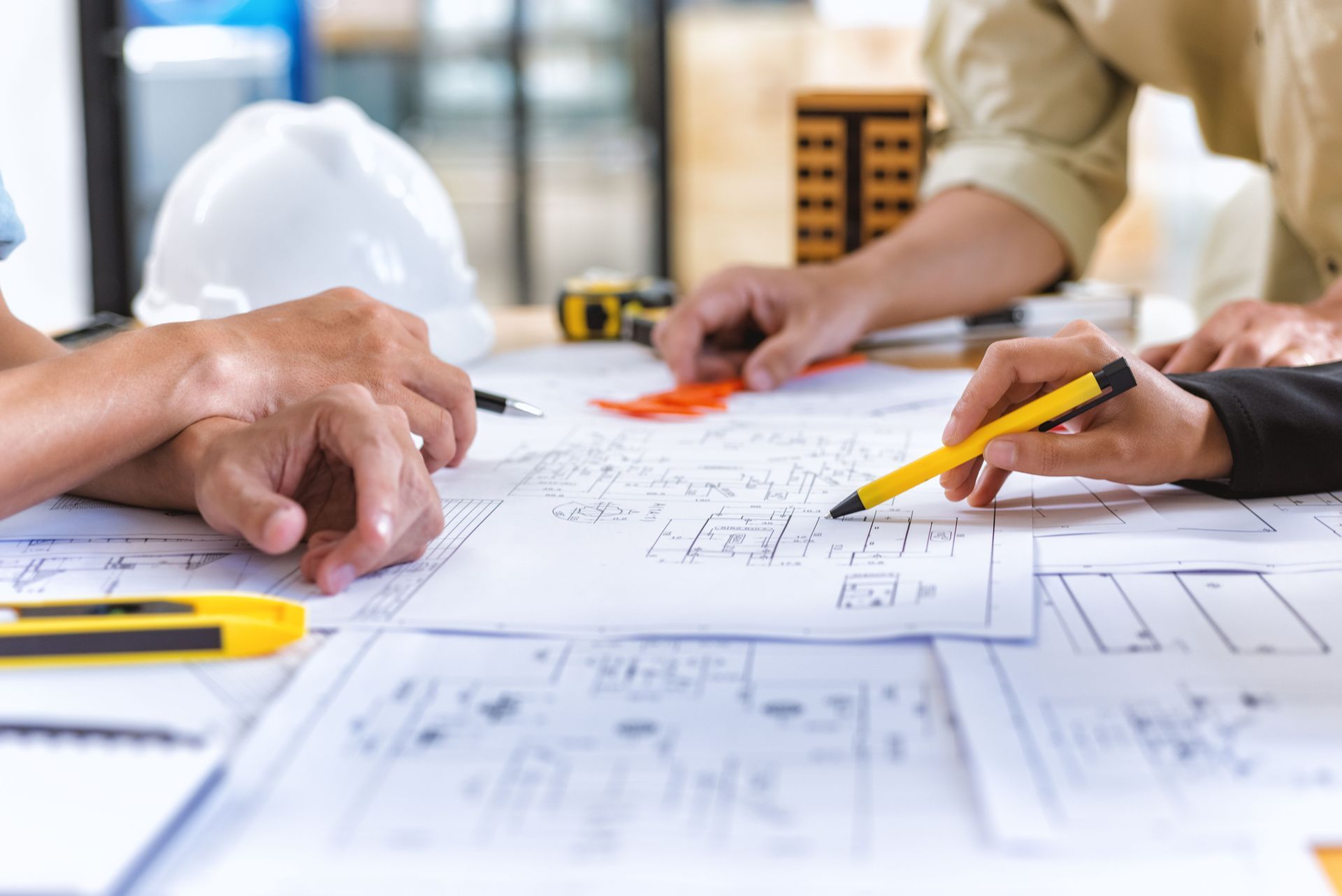
The foundation of any successful commercial development is laid long before heavy machinery arrives on the job site. Comprehensive pre-construction planning serves as the roadmap for the entire project, allowing project leaders to identify potential obstacles, refine design elements, and establish realistic timelines. During this crucial phase, building teams conduct extensive site evaluations, feasibility studies, and zoning reviews to ensure that proposed designs comply with local regulations and land capabilities. Thorough planning helps prevent mid-project surprises that could lead to disruptive delays or structural compromises. By investing adequate time and resources into early preparation, building owners create a stable framework for every subsequent phase of execution.
Effective planning also involves aligning design intent with practical constructability. Professional commercial construction companies analyze architectural drawings to identify constructability issues, material lead times, and logistical challenges before physical labor begins. This proactive approach allows teams to streamline material procurement, coordinate specialty trades, and schedule site operations efficiently. When all stakeholders share a unified vision from the outset, the workflow progresses with far greater predictability. A well-planned project minimizes downtime, optimizes site workflow, and establishes a clear path to successful project completion, ensuring that all functional requirements are met efficiently.
2. Establishing Clear Communication Channels
Open and consistent communication is the cornerstone of effective project management in large-scale building endeavors. A major build involves a diverse network of professionals, including architects, engineers, subcontractors, inspectors, and client representatives. Without structured communication channels, critical information can easily become fragmented, leading to misunderstandings, rework, and operational friction. Establishing formal reporting protocols, regular site meetings, and centralized documentation platforms ensures that everyone remains aligned throughout every project phase. According to Autodesk, international expenditure on building development was expected to reach $15.7 trillion in 2025. This massive scale of activity underscores the necessity for streamlined communication protocols across global and local building initiatives alike.
Clear communication extends beyond internal team coordination; it also involves keeping property owners fully informed about progress, milestones, and necessary decisions. Top-tier commercial construction companies prioritize transparency by providing detailed status reports, schedule updates, and immediate notifications regarding any field modifications. When clients have real-time visibility into project progress, they can make informed decisions promptly, keeping momentum on track.
3. Implementing Rigorous Safety Protocols
Safety is a non-negotiable priority on any active job site, serving as a critical indicator of overall project health and professional standards. Large building sites host dynamic environments where multiple trades operate simultaneously alongside heavy machinery, high-voltage systems, and elevated structures. Implementing comprehensive safety protocols protects workers from hazards while maintaining operational efficiency. Rigorous safety standards involve regular risk assessments, mandatory training programs, proper safety gear compliance, and strict adherence to occupational safety regulations. A safe job site is an efficient job site, as preventing accidents avoids serious disruptions, legal complications, and project interruptions.
Prioritizing job site safety also protects property owners from potential liabilities and enhances overall project quality. Dependable commercial construction companies create a culture of safety where every worker is empowered to maintain high safety standards and report potential hazards immediately. Routine safety audits, site inspections, and daily hazard briefings ensure that safety compliance remains top of mind throughout every stage of development. By maintaining immaculate site safety records, building teams maintain smooth operations, protect human lives, and uphold the professional reputation of the entire project team, contributing directly to a successful building outcome.
4. Maintaining Quality Control Standards
Achieving structural excellence and aesthetic appeal requires unwavering commitment to quality control throughout the entire build process. Quality management begins with selecting high-grade materials that meet structural requirements and environmental conditions. However, quality materials alone do not guarantee success; they must be installed with precision and craftsmanship. Rigorous quality assurance processes involve continuous inspections at key construction milestones, ensuring that foundation work, framing, electrical systems, plumbing, and finishing touches adhere strictly to architectural plans and building codes.
Maintaining stringent quality standards prevents post-occupancy defects and minimizes future maintenance requirements for property owners. Established commercial construction companies employ dedicated quality assurance managers who perform ongoing site inspections, document craftsmanship, and address deficiencies immediately before subsequent work proceeds. By catching minor issues early, teams prevent compound errors that could compromise building performance or structural longevity. A rigorous quality control program ensures that the final physical asset meets the highest standards of durability, energy efficiency, and operational excellence, providing lasting value to property owners.
5. Selecting Experienced Project Leadership
The success of any commercial building project depends heavily on the capability and experience of its leadership team. Managing a multi-faceted build requires extensive technical expertise, strong problem-solving skills, and proven leadership capability. Experienced project managers, superintendents, and site supervisors navigate unexpected job site challenges with poise, making timely decisions that keep the project moving forward without compromising quality or safety. Their deep industry knowledge allows them to anticipate material shortages, navigate weather disruptions, and manage trade scheduling effectively.
Partnering with seasoned project leaders provides property owners with confidence and peace of mind throughout the development journey. Skilled commercial construction companies bring proven management methodologies, established subcontractor relationships, and deep technical insight to every job site. Their leadership ensures that every phase of the build is executed with precision, accountability, and technical rigor. By entrusting your project to seasoned professionals who understand the nuances of commercial building, you ensure that your facility is built to perform efficiently and endure for years to come.
Building a successful commercial facility requires balancing multiple critical factors, from early strategic planning and clear communication to rigorous safety, quality management, and expert project leadership. Each element plays an essential role in transforming initial concepts into functional, durable physical structures that support business growth and operational success. By focusing on these core principles, business owners can navigate the complexities of modern building projects with confidence, ensuring that their investment delivers long-term value and operational efficiency. Taking the right steps today sets the stage for a smooth, efficient building process and an outstanding finished facility. If you are ready for a seamless commercial building experience, contact us at Haglage Construction Inc today. We will help you transform your vision into an exceptional physical reality that elevates your business for years to come.